Mastering Object-Oriented Programming in JavaScript: Complete Fundamentals Guide
Master JavaScript OOP fundamentals with this complete guide covering classes, inheritance, encapsulation, polymorphism, and best practices with practical examples.
Amr S.
Author & Developer
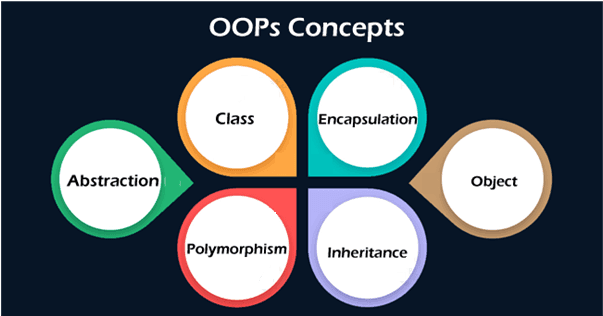
Mastering Object-Oriented Programming in JavaScript
Object-Oriented Programming (OOP) is a programming paradigm that has revolutionized software development by providing a structured approach to building complex applications. In JavaScript, OOP has evolved significantly with ES6+ features, offering developers powerful tools to create maintainable, scalable, and robust applications.
This complete guide will take you through JavaScript OOP from fundamental concepts to advanced design patterns, providing practical examples and real-world applications that you can implement immediately in your projects.
Understanding the Four Pillars of OOP
Object-Oriented Programming is built upon four fundamental principles that guide how we structure and organize code:
- Encapsulation: Bundling data and methods that operate on that data within a single unit
- Inheritance: Creating new classes based on existing ones, promoting code reuse
- Polymorphism: The ability of objects to take multiple forms and respond differently to the same interface
- Abstraction: Hiding complex implementation details while exposing a simple interface
💡 JavaScript implements OOP differently from classical languages like Java or C++. It uses prototypal inheritance, which provides more flexibility but requires a different mental model.
ES6 Classes: Modern JavaScript OOP
ES6 introduced class syntax that provides a cleaner, more intuitive way to create objects and handle inheritance. Let's start with a practical example:
// Define a base Vehicle class
class Vehicle {
  constructor(make, model, year) {
    this.make = make;
    this.model = model;
    this.year = year;
    this.isRunning = false;
  }

  // Instance method
  start() {
    if (!this.isRunning) {
      this.isRunning = true;
      console.log(`${this.make} ${this.model} is now running`);
    } else {
      console.log('Vehicle is already running');
    }
  }

  stop() {
    if (this.isRunning) {
      this.isRunning = false;
      console.log(`${this.make} ${this.model} has stopped`);
    } else {
      console.log('Vehicle is already stopped');
    }
  }

  // Getter method
  get age() {
    return new Date().getFullYear() - this.year;
  }

  // Static method
  static compareAge(vehicle1, vehicle2) {
    return vehicle1.age - vehicle2.age;
  }

  // Method that can be overridden
  getDescription() {
    return `${this.year} ${this.make} ${this.model}`;
  }
}

// Create instances
const car1 = new Vehicle('Toyota', 'Camry', 2020);
const car2 = new Vehicle('Honda', 'Civic', 2018);

console.log(car1.getDescription()); // "2020 Toyota Camry"
console.log(car1.age); // 5 (current year - 2020)
car1.start(); // "Toyota Camry is now running"

// Using static method
console.log(Vehicle.compareAge(car1, car2)); // -2
Implementing Encapsulation
Encapsulation involves hiding internal implementation details and exposing only what's necessary. JavaScript provides several ways to achieve encapsulation:
class BankAccount {
  // Private fields (ES2022)
  #balance;
  #accountNumber;
  #transactionHistory;

  constructor(accountNumber, initialBalance = 0) {
    this.#accountNumber = accountNumber;
    this.#balance = initialBalance;
    this.#transactionHistory = [];
  }

  // Private method
  #addTransaction(type, amount, description) {
    this.#transactionHistory.push({
      type,
      amount,
      description,
      timestamp: new Date().toISOString(),
      balance: this.#balance
    });
  }

  // Public methods (interface)
  deposit(amount, description = 'Deposit') {
    if (amount <= 0) {
      throw new Error('Deposit amount must be positive');
    }

    this.#balance += amount;
    this.#addTransaction('credit', amount, description);
    return this.#balance;
  }

  withdraw(amount, description = 'Withdrawal') {
    if (amount <= 0) {
      throw new Error('Withdrawal amount must be positive');
    }

    if (amount > this.#balance) {
      throw new Error('Insufficient funds');
    }

    this.#balance -= amount;
    this.#addTransaction('debit', amount, description);
    return this.#balance;
  }

  // Getter for controlled access to private data
  get balance() {
    return this.#balance;
  }

  get accountNumber() {
    return this.#accountNumber.slice(-4).padStart(this.#accountNumber.length, '*');
  }

  getTransactionHistory(limit = 10) {
    return this.#transactionHistory
      .slice(-limit)
      .map(transaction => ({
        ...transaction,
        // Don't expose full balance history for security
        balance: undefined
      }));
  }
}

// Usage example
const account = new BankAccount('1234567890', 1000);
console.log(account.balance); // 1000
console.log(account.accountNumber); // "******7890"

account.deposit(500, 'Salary');
account.withdraw(200, 'Groceries');

// This would throw an error - private field access
// console.log(account.#balance); // SyntaxError
Inheritance and Polymorphism
Inheritance allows us to create specialized classes based on general ones, while polymorphism enables objects to behave differently based on their specific type:
// Base class
class Animal {
  constructor(name, species) {
    this.name = name;
    this.species = species;
  }

  // Method to be overridden (polymorphism)
  makeSound() {
    return 'Some generic animal sound';
  }

  // Method that uses polymorphic behavior
  introduce() {
    return `Hi, I'm ${this.name}, and I say: ${this.makeSound()}`;
  }

  // Common behavior
  sleep() {
    return `${this.name} is sleeping`;
  }
}

// Derived classes
class Dog extends Animal {
  constructor(name, breed) {
    super(name, 'Canine'); // Call parent constructor
    this.breed = breed;
  }

  // Override parent method (polymorphism)
  makeSound() {
    return 'Woof! Woof!';
  }

  // Additional behavior specific to dogs
  fetch() {
    return `${this.name} is fetching the ball!`;
  }
}

class Cat extends Animal {
  constructor(name, isIndoor = true) {
    super(name, 'Feline');
    this.isIndoor = isIndoor;
  }

  // Override parent method with different behavior
  makeSound() {
    return 'Meow!';
  }

  // Cat-specific behavior
  climb() {
    return `${this.name} is climbing`;
  }
}

class Bird extends Animal {
  constructor(name, canFly = true) {
    super(name, 'Avian');
    this.canFly = canFly;
  }

  makeSound() {
    return 'Tweet tweet!';
  }

  fly() {
    return this.canFly
      ? `${this.name} is flying high!`
      : `${this.name} cannot fly`;
  }
}

// Polymorphism in action
const animals = [
  new Dog('Buddy', 'Golden Retriever'),
  new Cat('Whiskers'),
  new Bird('Tweety'),
  new Bird('Penguin', false)
];

// Each animal responds differently to the same method call
animals.forEach(animal => {
  console.log(animal.introduce());
  // Output:
  // Hi, I'm Buddy, and I say: Woof! Woof!
  // Hi, I'm Whiskers, and I say: Meow!
  // Hi, I'm Tweety, and I say: Tweet tweet!
  // Hi, I'm Penguin, and I say: Tweet tweet!
});

// Demonstrating method-specific behaviors
console.log(animals[0].fetch()); // "Buddy is fetching the ball!"
console.log(animals[1].climb()); // "Whiskers is climbing"
console.log(animals[2].fly());   // "Tweety is flying high!"
console.log(animals[3].fly());   // "Penguin cannot fly"
Advanced Concepts: Abstract Classes and Interfaces
While JavaScript doesn't have built-in abstract classes or interfaces, we can simulate them using conventions and error handling:
// Abstract base class simulation
class Shape {
  constructor() {
    if (new.target === Shape) {
      throw new Error('Cannot instantiate abstract class Shape directly');
    }
  }

  // Abstract method - must be implemented by subclasses
  calculateArea() {
    throw new Error('calculateArea() method must be implemented by subclass');
  }

  calculatePerimeter() {
    throw new Error('calculatePerimeter() method must be implemented by subclass');
  }

  // Concrete method that uses abstract methods
  getDescription() {
    return `This shape has an area of ${this.calculateArea()} and perimeter of ${this.calculatePerimeter()}`;
  }
}

// Interface simulation using mixins
const Drawable = {
  draw() {
    throw new Error('draw() method must be implemented');
  },

  setColor(color) {
    this.color = color;
  }
};

const Movable = {
  moveTo(x, y) {
    this.x = x;
    this.y = y;
    console.log(`Moved to position (${x}, ${y})`);
  },

  moveBy(deltaX, deltaY) {
    this.x = (this.x || 0) + deltaX;
    this.y = (this.y || 0) + deltaY;
    console.log(`Moved by (${deltaX}, ${deltaY}) to (${this.x}, ${this.y})`);
  }
};

// Concrete implementations
class Rectangle extends Shape {
  constructor(width, height) {
    super();
    this.width = width;
    this.height = height;
    this.x = 0;
    this.y = 0;
    this.color = 'black';
  }

  calculateArea() {
    return this.width * this.height;
  }

  calculatePerimeter() {
    return 2 * (this.width + this.height);
  }

  draw() {
    console.log(`Drawing a ${this.color} rectangle at (${this.x}, ${this.y}) with width ${this.width} and height ${this.height}`);
  }
}

class Circle extends Shape {
  constructor(radius) {
    super();
    this.radius = radius;
    this.x = 0;
    this.y = 0;
    this.color = 'black';
  }

  calculateArea() {
    return Math.PI * this.radius ** 2;
  }

  calculatePerimeter() {
    return 2 * Math.PI * this.radius;
  }

  draw() {
    console.log(`Drawing a ${this.color} circle at (${this.x}, ${this.y}) with radius ${this.radius}`);
  }
}

// Apply interfaces using Object.assign
Object.assign(Rectangle.prototype, Drawable, Movable);
Object.assign(Circle.prototype, Drawable, Movable);

// Usage
const rectangle = new Rectangle(10, 5);
const circle = new Circle(3);

console.log(rectangle.getDescription());
// "This shape has an area of 50 and perimeter of 30"

rectangle.setColor('red');
rectangle.moveTo(10, 20);
rectangle.draw();
// "Moved to position (10, 20)"
// "Drawing a red rectangle at (10, 20) with width 10 and height 5"

circle.setColor('blue');
circle.moveBy(5, 5);
circle.draw();
// "Moved by (5, 5) to (5, 5)"
// "Drawing a blue circle at (5, 5) with radius 3"
Modern JavaScript OOP Best Practices
Here are essential best practices for writing maintainable and scalable object-oriented JavaScript code:
- Use ES6+ class syntax for clarity and consistency
- Leverage private fields (#) for true encapsulation
- Implement proper error handling in constructors and methods
- Use composition over inheritance when appropriate
- Follow the Single Responsibility Principle for classes
- Implement proper validation in setters and constructors
- Use meaningful naming conventions for classes and methods
- Document your classes with JSDoc for better maintainability
Complete Example: Task Management System
Let's put everything together with a complete example that demonstrates all the concepts we've covered:
/**
 * Task Management System - complete OOP Example
 * Demonstrates encapsulation, inheritance, polymorphism, and design patterns
 */

// Base Task class with encapsulation
class Task {
  static #taskCounter = 0;
  #id;
  #title;
  #description;
  #status;
  #createdAt;
  #updatedAt;

  constructor(title, description = '') {
    if (!title || typeof title !== 'string') {
      throw new Error('Task title is required and must be a string');
    }

    this.#id = ++Task.#taskCounter;
    this.#title = title.trim();
    this.#description = description.trim();
    this.#status = 'pending';
    this.#createdAt = new Date();
    this.#updatedAt = new Date();
  }

  // Getters for controlled access
  get id() { return this.#id; }
  get title() { return this.#title; }
  get description() { return this.#description; }
  get status() { return this.#status; }
  get createdAt() { return this.#createdAt; }
  get updatedAt() { return this.#updatedAt; }

  // Setters with validation
  set title(newTitle) {
    if (!newTitle || typeof newTitle !== 'string') {
      throw new Error('Title must be a non-empty string');
    }
    this.#title = newTitle.trim();
    this.#updateTimestamp();
  }

  set description(newDescription) {
    this.#description = (newDescription || '').trim();
    this.#updateTimestamp();
  }

  // Private method
  #updateTimestamp() {
    this.#updatedAt = new Date();
  }

  // Abstract-like method to be overridden
  complete() {
    this.#status = 'completed';
    this.#updateTimestamp();
    return this;
  }

  // Polymorphic method
  getTaskInfo() {
    return {
      id: this.#id,
      title: this.#title,
      description: this.#description,
      status: this.#status,
      type: this.constructor.name,
      createdAt: this.#createdAt,
      updatedAt: this.#updatedAt
    };
  }

  // Common behavior
  toJSON() {
    return this.getTaskInfo();
  }
}

// Specialized task types using inheritance
class UrgentTask extends Task {
  #priority;
  #deadline;

  constructor(title, description, deadline) {
    super(title, description);
    this.#priority = 'high';
    this.#deadline = new Date(deadline);

    if (this.#deadline <= new Date()) {
      throw new Error('Deadline must be in the future');
    }
  }

  get priority() { return this.#priority; }
  get deadline() { return this.#deadline; }

  // Override parent method (polymorphism)
  getTaskInfo() {
    return {
      ...super.getTaskInfo(),
      priority: this.#priority,
      deadline: this.#deadline,
      isOverdue: this.isOverdue()
    };
  }

  isOverdue() {
    return new Date() > this.#deadline && this.status !== 'completed';
  }

  complete() {
    super.complete();
    console.log(`Urgent task "${this.title}" completed!`);
    return this;
  }
}

class RecurringTask extends Task {
  #interval;
  #nextDue;

  constructor(title, description, intervalDays) {
    super(title, description);
    this.#interval = intervalDays;
    this.#nextDue = new Date(Date.now() + intervalDays * 24 * 60 * 60 * 1000);
  }

  get interval() { return this.#interval; }
  get nextDue() { return this.#nextDue; }

  complete() {
    super.complete();
    // Reset for next occurrence
    this.#nextDue = new Date(Date.now() + this.#interval * 24 * 60 * 60 * 1000);
    console.log(`Recurring task "${this.title}" completed! Next due: ${this.#nextDue.toDateString()}`);
    return this;
  }

  getTaskInfo() {
    return {
      ...super.getTaskInfo(),
      interval: this.#interval,
      nextDue: this.#nextDue
    };
  }
}

// Observer pattern for task events
class TaskEventEmitter {
  #observers = new Map();

  subscribe(event, callback) {
    if (!this.#observers.has(event)) {
      this.#observers.set(event, []);
    }
    this.#observers.get(event).push(callback);
  }

  emit(event, data) {
    if (this.#observers.has(event)) {
      this.#observers.get(event).forEach(callback => callback(data));
    }
  }
}

// Factory pattern for task creation
class TaskFactory {
  static createTask(type, ...args) {
    switch (type.toLowerCase()) {
      case 'urgent':
        return new UrgentTask(...args);
      case 'recurring':
        return new RecurringTask(...args);
      case 'basic':
      default:
        return new Task(...args);
    }
  }
}

// Main task manager using multiple patterns
class TaskManager extends TaskEventEmitter {
  #tasks = new Map();
  #completedTasks = new Map();

  addTask(type, ...args) {
    try {
      const task = TaskFactory.createTask(type, ...args);
      this.#tasks.set(task.id, task);

      this.emit('taskAdded', {
        task: task.getTaskInfo(),
        totalTasks: this.#tasks.size
      });

      return task;
    } catch (error) {
      this.emit('taskError', { error: error.message });
      throw error;
    }
  }

  completeTask(taskId) {
    const task = this.#tasks.get(taskId);
    if (!task) {
      throw new Error(`Task with ID ${taskId} not found`);
    }

    task.complete();

    // Move to completed unless it's recurring
    if (!(task instanceof RecurringTask)) {
      this.#completedTasks.set(taskId, task);
      this.#tasks.delete(taskId);
    }

    this.emit('taskCompleted', {
      task: task.getTaskInfo(),
      totalTasks: this.#tasks.size,
      totalCompleted: this.#completedTasks.size
    });

    return task;
  }

  getTasks(status = 'all') {
    let tasks = [];

    switch (status) {
      case 'pending':
        tasks = Array.from(this.#tasks.values())
          .filter(task => task.status === 'pending');
        break;
      case 'completed':
        tasks = Array.from(this.#completedTasks.values());
        break;
      case 'all':
      default:
        tasks = [
          ...Array.from(this.#tasks.values()),
          ...Array.from(this.#completedTasks.values())
        ];
    }

    return tasks.map(task => task.getTaskInfo());
  }

  getOverdueTasks() {
    return Array.from(this.#tasks.values())
      .filter(task => task instanceof UrgentTask && task.isOverdue())
      .map(task => task.getTaskInfo());
  }

  getTasksByType(type) {
    const tasks = Array.from(this.#tasks.values());
    return tasks
      .filter(task => task.constructor.name === type)
      .map(task => task.getTaskInfo());
  }
}

// Usage demonstration
const taskManager = new TaskManager();

// Set up event listeners
taskManager.subscribe('taskAdded', (data) => {
  console.log(`✅ Task added: ${data.task.title} (Total: ${data.totalTasks})`);
});

taskManager.subscribe('taskCompleted', (data) => {
  console.log(`🎉 Task completed: ${data.task.title}`);
});

taskManager.subscribe('taskError', (data) => {
  console.error(`❌ Error: ${data.error}`);
});

// Create various types of tasks
const basicTask = taskManager.addTask('basic', 'Write documentation');
const urgentTask = taskManager.addTask('urgent', 'Fix critical bug', 'Security vulnerability', '2025-10-20');
const recurringTask = taskManager.addTask('recurring', 'Weekly team meeting', 'Sync with the team', 7);

// Complete some tasks
taskManager.completeTask(basicTask.id);
taskManager.completeTask(urgentTask.id);

// Get various task lists
console.log('\nAll tasks:', taskManager.getTasks());
console.log('\nPending tasks:', taskManager.getTasks('pending'));
console.log('\nCompleted tasks:', taskManager.getTasks('completed'));
console.log('\nUrgent tasks:', taskManager.getTasksByType('UrgentTask'));
Performance Considerations and Memory Management
When working with OOP in JavaScript, it's important to consider performance implications and memory management:
⚠️ Be careful with circular references and event listeners. Always clean up observers and remove event listeners to prevent memory leaks.
- Use WeakMap and WeakSet for temporary object associations
- Implement proper cleanup methods for observers and event listeners
- Avoid creating too many small objects in tight loops
- Use Object.freeze() for immutable objects when appropriate
- Consider using object pooling for frequently created/destroyed objects
- Profile your application to identify memory leaks and performance bottlenecks
Testing Object-Oriented Code
Testing OOP code requires special consideration for encapsulation and dependencies:
// Example test file: TaskManager.test.js
import { TaskManager, Task, UrgentTask } from './TaskManager.js';

describe('TaskManager', () => {
  let taskManager;

  beforeEach(() => {
    taskManager = new TaskManager();
  });

  describe('Task Creation', () => {
    test('should create a basic task', () => {
      const task = taskManager.addTask('basic', 'Test task');

      expect(task).toBeInstanceOf(Task);
      expect(task.title).toBe('Test task');
      expect(task.status).toBe('pending');
      expect(task.id).toBeDefined();
    });

    test('should create an urgent task with deadline', () => {
      const deadline = new Date(Date.now() + 86400000); // Tomorrow
      const task = taskManager.addTask('urgent', 'Urgent task', 'Description', deadline);

      expect(task).toBeInstanceOf(UrgentTask);
      expect(task.priority).toBe('high');
      expect(task.deadline).toEqual(deadline);
    });

    test('should throw error for invalid task data', () => {
      expect(() => {
        taskManager.addTask('basic', ''); // Empty title
      }).toThrow('Task title is required');
    });
  });

  describe('Task Completion', () => {
    test('should complete a task successfully', () => {
      const task = taskManager.addTask('basic', 'Test task');
      const completedTask = taskManager.completeTask(task.id);

      expect(completedTask.status).toBe('completed');
      expect(taskManager.getTasks('pending')).toHaveLength(0);
      expect(taskManager.getTasks('completed')).toHaveLength(1);
    });

    test('should throw error when completing non-existent task', () => {
      expect(() => {
        taskManager.completeTask(999);
      }).toThrow('Task with ID 999 not found');
    });
  });

  describe('Event Handling', () => {
    test('should emit events when tasks are added', (done) => {
      taskManager.subscribe('taskAdded', (data) => {
        expect(data.task.title).toBe('Event test task');
        expect(data.totalTasks).toBe(1);
        done();
      });

      taskManager.addTask('basic', 'Event test task');
    });

    test('should emit events when tasks are completed', (done) => {
      const task = taskManager.addTask('basic', 'Complete test task');

      taskManager.subscribe('taskCompleted', (data) => {
        expect(data.task.status).toBe('completed');
        done();
      });

      taskManager.completeTask(task.id);
    });
  });

  describe('Task Filtering', () => {
    beforeEach(() => {
      taskManager.addTask('basic', 'Basic task 1');
      taskManager.addTask('urgent', 'Urgent task 1', 'Description', new Date(Date.now() + 86400000));
      taskManager.addTask('recurring', 'Recurring task 1', 'Description', 7);
    });

    test('should filter tasks by status', () => {
      const pendingTasks = taskManager.getTasks('pending');
      expect(pendingTasks).toHaveLength(3);

      // Complete one task
      const firstTask = taskManager.getTasks('pending')[0];
      taskManager.completeTask(firstTask.id);

      expect(taskManager.getTasks('pending')).toHaveLength(2);
      expect(taskManager.getTasks('completed')).toHaveLength(1);
    });

    test('should filter tasks by type', () => {
      const urgentTasks = taskManager.getTasksByType('UrgentTask');
      expect(urgentTasks).toHaveLength(1);
      expect(urgentTasks[0].priority).toBe('high');
    });
  });
});

// Mock testing for external dependencies
describe('Task with external dependencies', () => {
  test('should handle API calls in task completion', async () => {
    // Mock fetch
    global.fetch = jest.fn(() =>
      Promise.resolve({
        ok: true,
        json: () => Promise.resolve({ success: true })
      })
    );

    class APITask extends Task {
      async complete() {
        const response = await fetch('/api/complete-task', {
          method: 'POST',
          body: JSON.stringify({ taskId: this.id })
        });

        if (response.ok) {
          super.complete();
        }

        return this;
      }
    }

    const apiTask = new APITask('API Task');
    await apiTask.complete();

    expect(apiTask.status).toBe('completed');
    expect(fetch).toHaveBeenCalledWith('/api/complete-task', {
      method: 'POST',
      body: JSON.stringify({ taskId: apiTask.id })
    });
  });
});
Conclusion and Next Steps
Object-Oriented Programming in JavaScript provides a powerful foundation for building scalable, maintainable applications. By mastering the concepts covered in this guide—from basic class syntax to fundamental OOP principles—you'll be well-equipped to tackle complex software projects.
The key to mastering JavaScript OOP is practice and understanding when to apply each concept. Start with simple classes and gradually incorporate more advanced patterns as your applications grow in complexity.
What's Next?
- Explore SOLID principles in depth for better class design
- Learn about design patterns like Strategy, Command, and Decorator
- Study functional programming concepts to complement OOP
- Practice with real-world projects and code reviews
- Investigate TypeScript for enhanced OOP with static typing
- Explore modern frameworks that leverage OOP principles
💡 Remember: Good object-oriented design is about creating code that is easy to understand, maintain, and extend. Focus on solving real problems rather than over-engineering solutions.
Tags
Share this article
Enjoying the Content?
If this article helped you, consider buying me a coffee ☕
Your support helps me create more quality content for the community!
☕ Every coffee fuels more tutorials • 🚀 100% goes to creating better content • ❤️ Thank you for your support!
About Amr S.
Passionate about web development and sharing knowledge with the community. Writing about modern web technologies, best practices, and developer experiences.
More from Amr S.

SOLID Principles in JavaScript: Complete Guide to Better Software Design
Learn how to apply SOLID principles in JavaScript development. complete guide with practical examples covering Single Responsibility, Open/Closed, Liskov Substitution, Interface Segregation, and Dependency Inversion principles.
Design Patterns in JavaScript: Essential Patterns for Modern Development
Learn key design patterns in JavaScript including Singleton, Factory, Observer, Strategy, and more with real-world examples and modern implementations.
Building Microservices with RabbitMQ: A Complete Guide
Learn how to implement message-driven microservices architecture using RabbitMQ with practical examples and best practices.