Modern TypeScript Development: Advanced Patterns and Best Practices
Explore cutting-edge TypeScript features, design patterns, and architectural approaches that will elevate your development skills and code quality to the next level.
Amr S.
Author & Developer
Modern TypeScript Development: Advanced Patterns and Best Practices
TypeScript has evolved far beyond a simple 'JavaScript with types' into a sophisticated language that enables powerful programming patterns and architectural designs. In this complete guide, we'll explore advanced TypeScript features that can transform how you build and maintain large-scale applications.
Advanced Type System Features
Modern TypeScript offers powerful type-level programming capabilities that allow you to express complex relationships and constraints at compile time. Let's explore conditional types, mapped types, and template literal types.
// Conditional Types for API Response Handling
type ApiResponse<T> = T extends string
  ? { message: T; status: 'success' }
  : T extends Error
  ? { error: T; status: 'error' }
  : { data: T; status: 'success' };

// Template Literal Types for Type-Safe Event System
type EventType = 'user' | 'order' | 'product';
type ActionType = 'created' | 'updated' | 'deleted';
type EventName = `${EventType}.${ActionType}`;

interface EventPayload {
  'user.created': { id: string; email: string; name: string };
  'user.updated': { id: string; changes: Partial<User> };
  'user.deleted': { id: string };
  'order.created': { id: string; userId: string; total: number };
  'order.updated': { id: string; status: OrderStatus };
  'order.deleted': { id: string; reason: string };
}

// Type-safe Event Emitter
class TypedEventEmitter {
  private listeners: {
    [K in EventName]?: Array<(payload: EventPayload[K]) => void>;
  } = {};

  on<K extends EventName>(
    event: K,
    listener: (payload: EventPayload[K]) => void
  ): void {
    if (!this.listeners[event]) {
      this.listeners[event] = [];
    }
    this.listeners[event]!.push(listener);
  }

  emit<K extends EventName>(event: K, payload: EventPayload[K]): void {
    const eventListeners = this.listeners[event];
    if (eventListeners) {
      eventListeners.forEach(listener => listener(payload));
    }
  }
}

// Usage with full type safety
const emitter = new TypedEventEmitter();

emitter.on('user.created', (payload) => {
  // payload is automatically typed as { id: string; email: string; name: string }
  console.log(`New user created: ${payload.name} (${payload.email})`);
});

emitter.emit('user.created', {
  id: '123',
  email: 'amr@example.com',
  name: 'Amr Sayed'
});
💡 TypeScript's type system is Turing complete, meaning you can perform complex computations at the type level. This enables incredibly sophisticated compile-time checks and IDE support that can catch errors before they reach runtime.
Architectural Patterns with TypeScript
TypeScript's type system enables powerful architectural patterns that promote code reusability, maintainability, and type safety. Let's explore the Repository pattern with dependency injection and generic constraints.
// Base Entity Interface
interface BaseEntity {
  id: string;
  createdAt: Date;
  updatedAt: Date;
}

// Repository Interface with Generic Constraints
interface IRepository<T extends BaseEntity> {
  findById(id: string): Promise<T | null>;
  findAll(filters?: Partial<T>): Promise<T[]>;
  create(entity: Omit<T, keyof BaseEntity>): Promise<T>;
  update(id: string, updates: Partial<T>): Promise<T>;
  delete(id: string): Promise<void>;
}

// Concrete Entity Types
interface User extends BaseEntity {
  email: string;
  name: string;
  role: 'admin' | 'user';
}

interface Product extends BaseEntity {
  name: string;
  price: number;
  category: string;
  inStock: boolean;
}

// Generic Repository Implementation
abstract class BaseRepository<T extends BaseEntity> implements IRepository<T> {
  constructor(protected database: Database) {}

  async findById(id: string): Promise<T | null> {
    return this.database.findOne<T>(this.tableName, { id });
  }

  async findAll(filters?: Partial<T>): Promise<T[]> {
    return this.database.find<T>(this.tableName, filters);
  }

  async create(entity: Omit<T, keyof BaseEntity>): Promise<T> {
    const now = new Date();
    const newEntity = {
      ...entity,
      id: this.generateId(),
      createdAt: now,
      updatedAt: now
    } as T;

    return this.database.insert<T>(this.tableName, newEntity);
  }

  async update(id: string, updates: Partial<T>): Promise<T> {
    const updatedEntity = {
      ...updates,
      updatedAt: new Date()
    };

    return this.database.update<T>(this.tableName, id, updatedEntity);
  }

  async delete(id: string): Promise<void> {
    await this.database.delete(this.tableName, id);
  }

  protected abstract get tableName(): string;
  private generateId(): string {
    return `${Date.now()}-${Math.random().toString(36).substr(2, 9)}`;
  }
}

// Service Layer with Dependency Injection
class UserService {
  constructor(private userRepository: UserRepository) {}

  async createUser(userData: Omit<User, keyof BaseEntity>): Promise<User> {
    // Business logic and validation
    if (!userData.email || !userData.name) {
      throw new Error('Email and name are required');
    }

    const existingUser = await this.userRepository.findByEmail(userData.email);
    if (existingUser) {
      throw new Error('User with this email already exists');
    }

    return this.userRepository.create(userData);
  }
}
📝 Using dependency injection with TypeScript interfaces makes your code more testable, maintainable, and follows SOLID principles. The type system ensures that all dependencies are correctly wired at compile time.
Performance Optimization and Best Practices
TypeScript compilation performance becomes crucial in large projects. Understanding how to optimize your TypeScript configuration and code structure can significantly improve development experience and build times.
{
  "compilerOptions": {
    "target": "ES2022",
    "module": "ESNext",
    "moduleResolution": "bundler",
    "allowImportingTsExtensions": true,
    "isolatedModules": true,
    "noEmit": true,

    // Strict type checking
    "strict": true,
    "noUncheckedIndexedAccess": true,
    "noImplicitOverride": true,

    // Performance optimizations
    "skipLibCheck": true,
    "incremental": true,
    "tsBuildInfoFile": ".tsbuildinfo",

    // Path mapping for better imports
    "baseUrl": ".",
    "paths": {
      "@/*": ["./src/*"],
      "@/components/*": ["./src/components/*"],
      "@/utils/*": ["./src/utils/*"],
      "@/types/*": ["./src/types/*"]
    },

    // Modern features
    "allowSyntheticDefaultImports": true,
    "esModuleInterop": true,
    "forceConsistentCasingInFileNames": true,
    "resolveJsonModule": true
  },
  "include": [
    "src/**/*",
    "types/**/*"
  ],
  "exclude": [
    "node_modules",
    "dist",
    "build",
    "**/*.test.ts",
    "**/*.spec.ts"
  ]
}
📝 Modern TypeScript development goes beyond basic type annotations. By leveraging advanced features like conditional types, template literals, and sophisticated architectural patterns, you can build more robust, maintainable, and scalable applications.
Tags
Share this article
Enjoying the Content?
If this article helped you, consider buying me a coffee ☕
Your support helps me create more quality content for the community!
☕ Every coffee fuels more tutorials • 🚀 100% goes to creating better content • ❤️ Thank you for your support!
About Amr S.
Passionate about web development and sharing knowledge with the community. Writing about modern web technologies, best practices, and developer experiences.
More from Amr S.
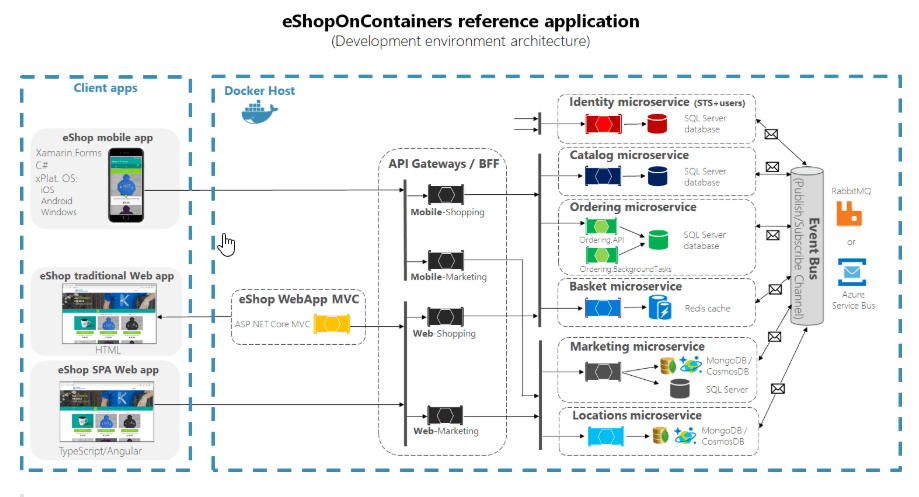
Building Microservices with RabbitMQ: A Complete Guide
Learn how to implement message-driven microservices architecture using RabbitMQ with practical examples and best practices.
Advanced React Performance Optimization: From Rendering to Memory Management
Dive deep into React performance optimization with concurrent features, advanced memoization strategies, and memory management techniques for building lightning-fast web applications.
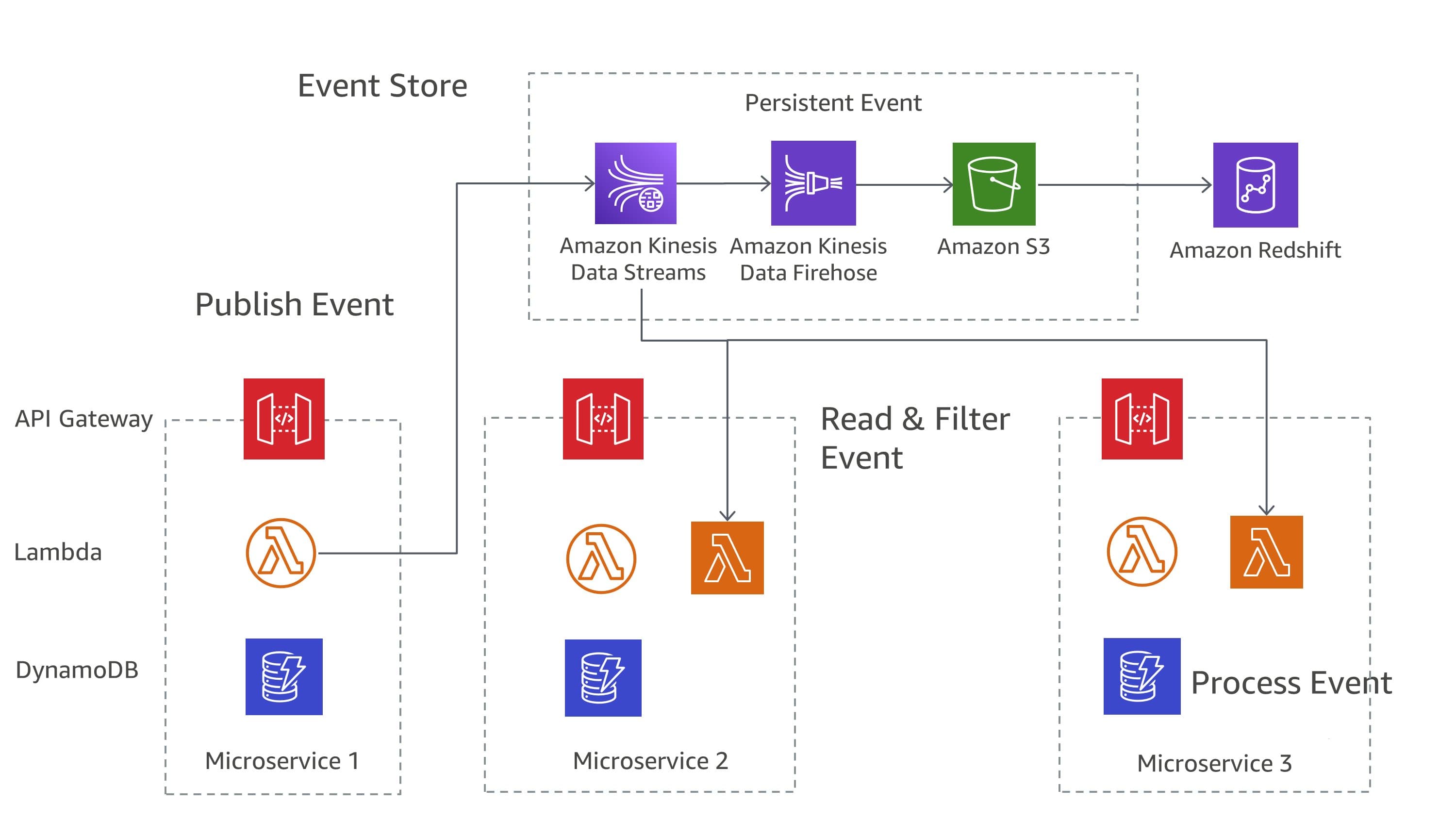
Distributed Systems Design Patterns: Building Resilient Architecture at Scale
Explore proven distributed systems design patterns and learn how to implement Circuit Breaker, Saga, CQRS, and Event Sourcing patterns for building resilient, scalable backend systems.